Types of Industrial Photography I Specialize In
Industrial photography covers a lot of ground — literally. Over the years I have photographed operations ranging from manufacturing plants and logistics warehouses to active rail yards, maritime ports, and even underground mines. Below is a look at the industries I specialize in and what each type of shoot typically involves.
1. Manufacturing Photography
Manufacturing is the backbone of most industrial photography assignments — plant floors, assembly lines, and the people operating them. The goal is always the same: show the process, the precision, and the people behind the product in a way that reads as authentic rather than staged. The most important part of the job is limiting production interference while on-site. One project manager joked that photographing his crew of 40 welders was costing him $40,000 an hour in downtime. On another shoot, I asked to briefly stop a robotic machine to photograph it — the client explained it ran 24/7 and stopping it would cost over $1 million in lost production. No problem: I got the money shot the agency needed of the mechanical part without ever shutting the machine down. I have since become that agency's go-to photographer for manufacturing and plant visual imaging. Bottom line: I work fast, avoid stopping production unless the client says it's okay, and still deliver the images and video needed.
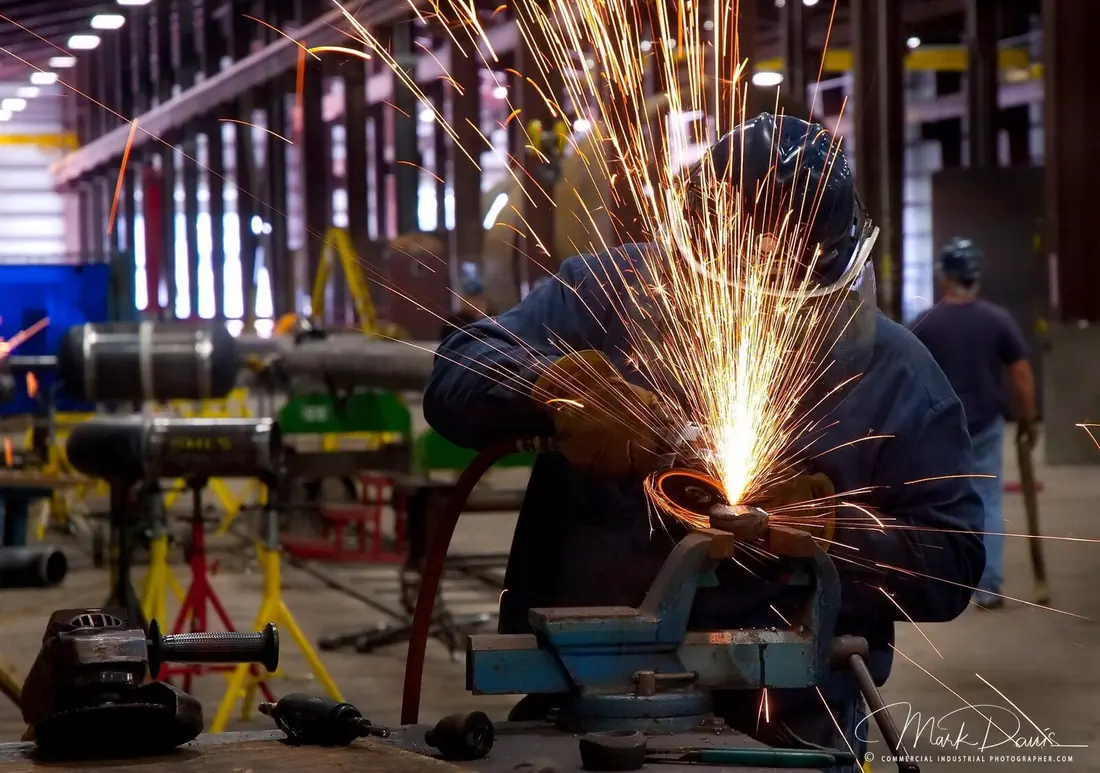
Grinding on the Plant Floor
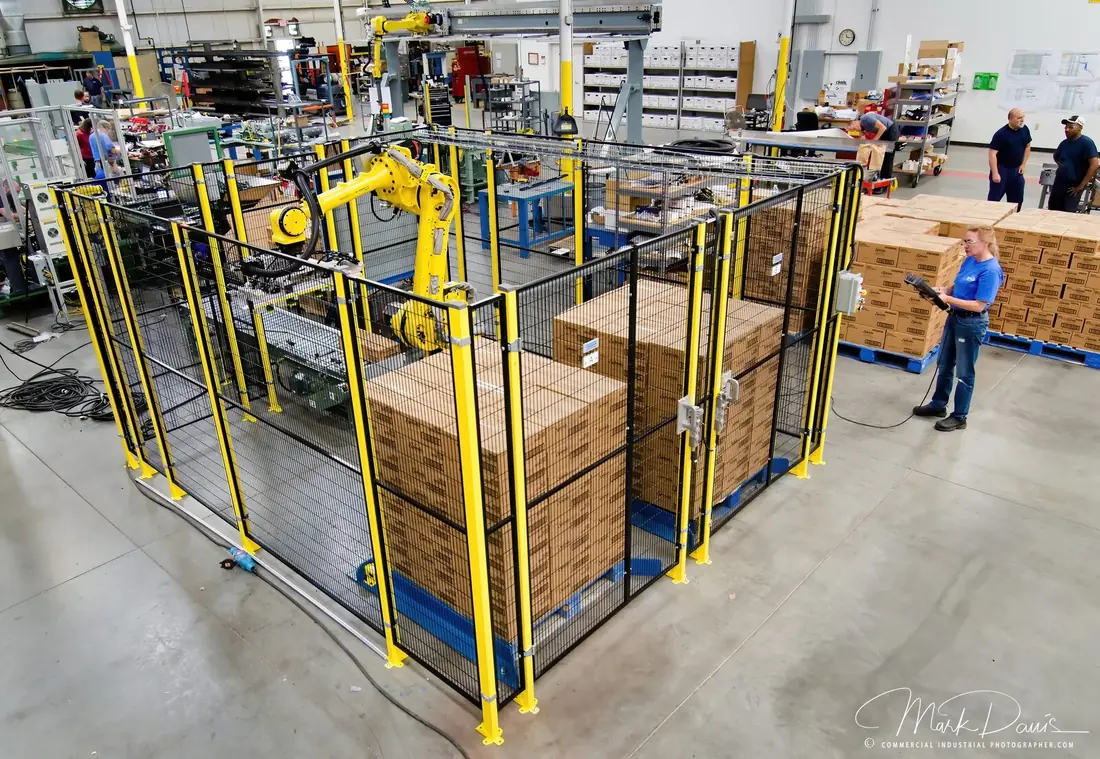
Robotic Machinery in Motion
2. Logistics & Warehouse Photography
Warehousing and logistics photography documents storage, fulfillment, and distribution operations — forklifts in motion, loading docks, inventory systems. These images are frequently used to show clients and partners the scale and reliability of a supply chain. Safety is always the top priority on a logistics floor — I have worked distribution warehouses with a dozen or more forklifts running at full speed, and photographed an international cargo plane being unloaded on the tarmac, staying constantly aware of my surroundings while creating strong marketing images. Safety always comes first.
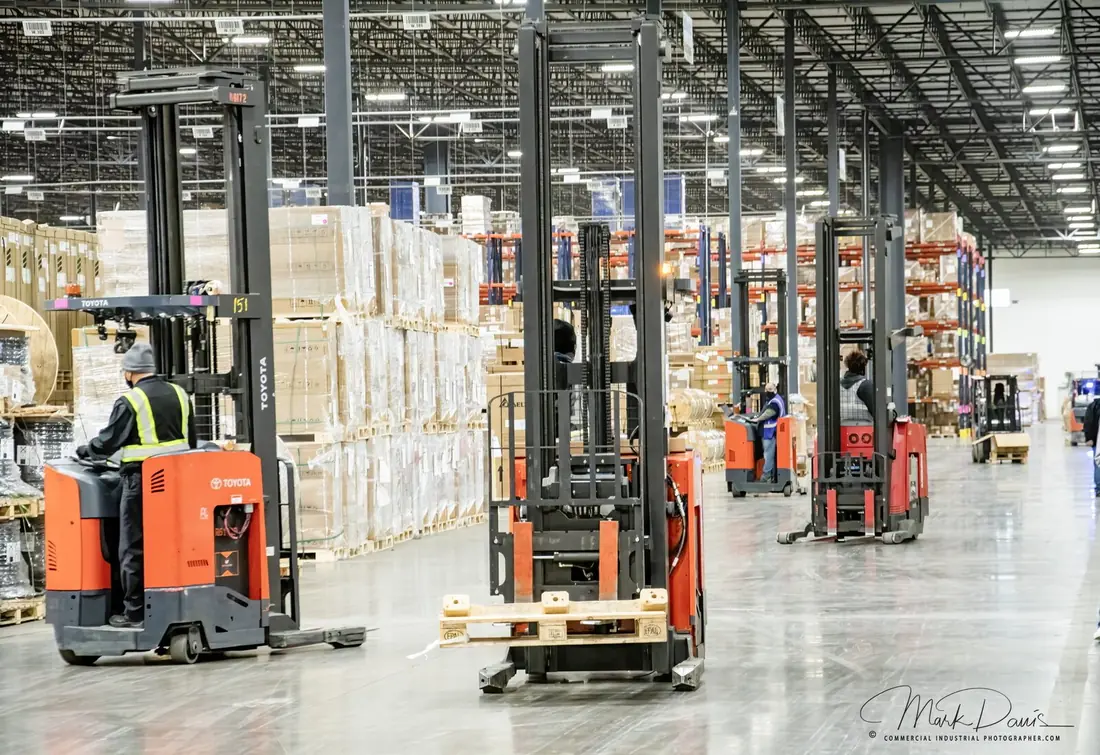
Forklifts in a Distribution Warehouse
3. Transportation Photography
Commercial transportation photography spans airplanes, cargo jets, trucks, ships, and marine vessels — documenting how goods move, not just where they end up. These hero shots are vital to strong marketing photography. One overseas client flew a brand-new 757 cargo plane from Qatar to Huntsville, Alabama, just to have it photographed. Another flew in a newly designed livery from Central America for the same reason. A third client flew me to Los Angeles for three days to photograph planes and cargo being loaded. I have also worked ports across the country, including the Port of New Orleans, the Port of Savannah, and the Port of Seattle.
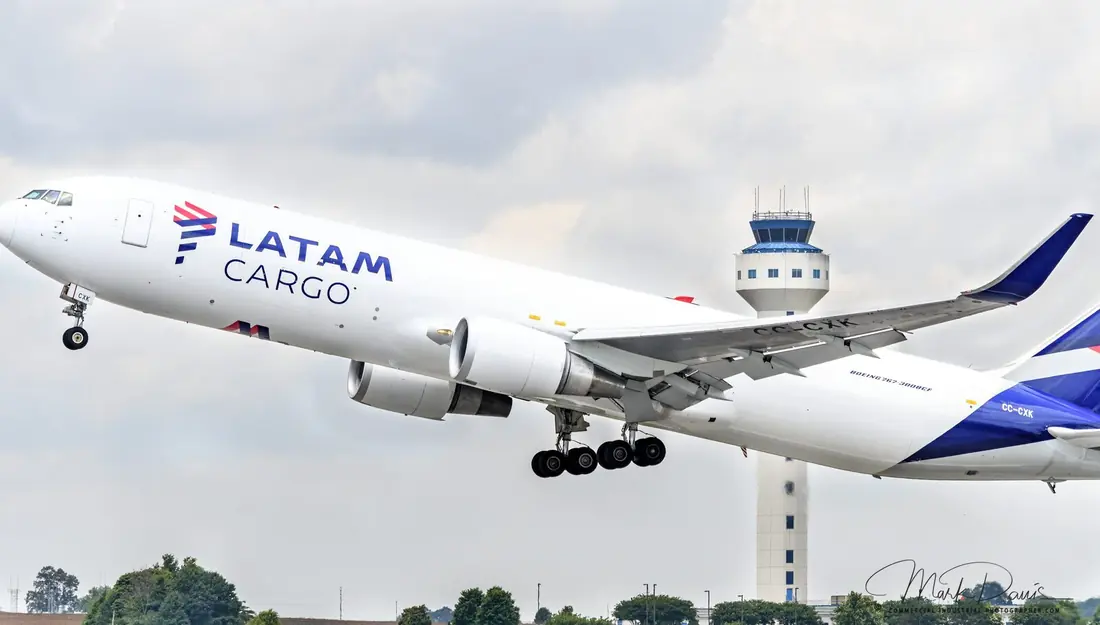
Cargo Aircraft Departure
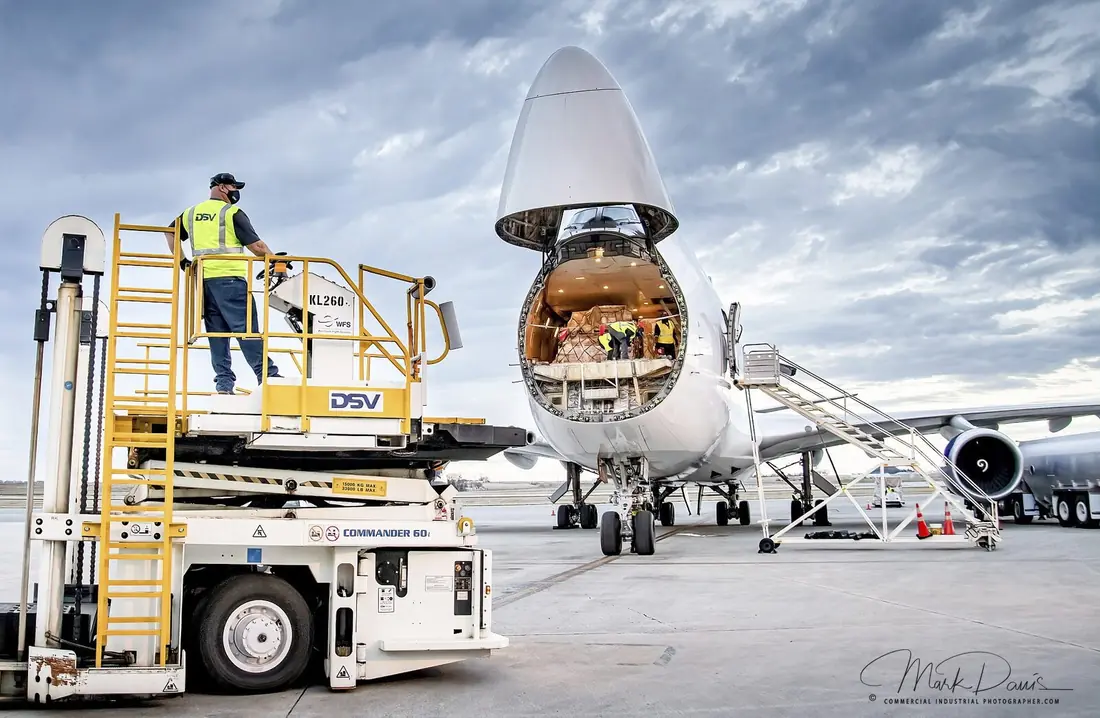
Nose-Loading a Freighter
4. Construction & Industrial Construction Photography
From active job sites to industrial construction and build-outs, this category documents projects in progress — often over time, which is where time-lapse photography comes in as a companion service.
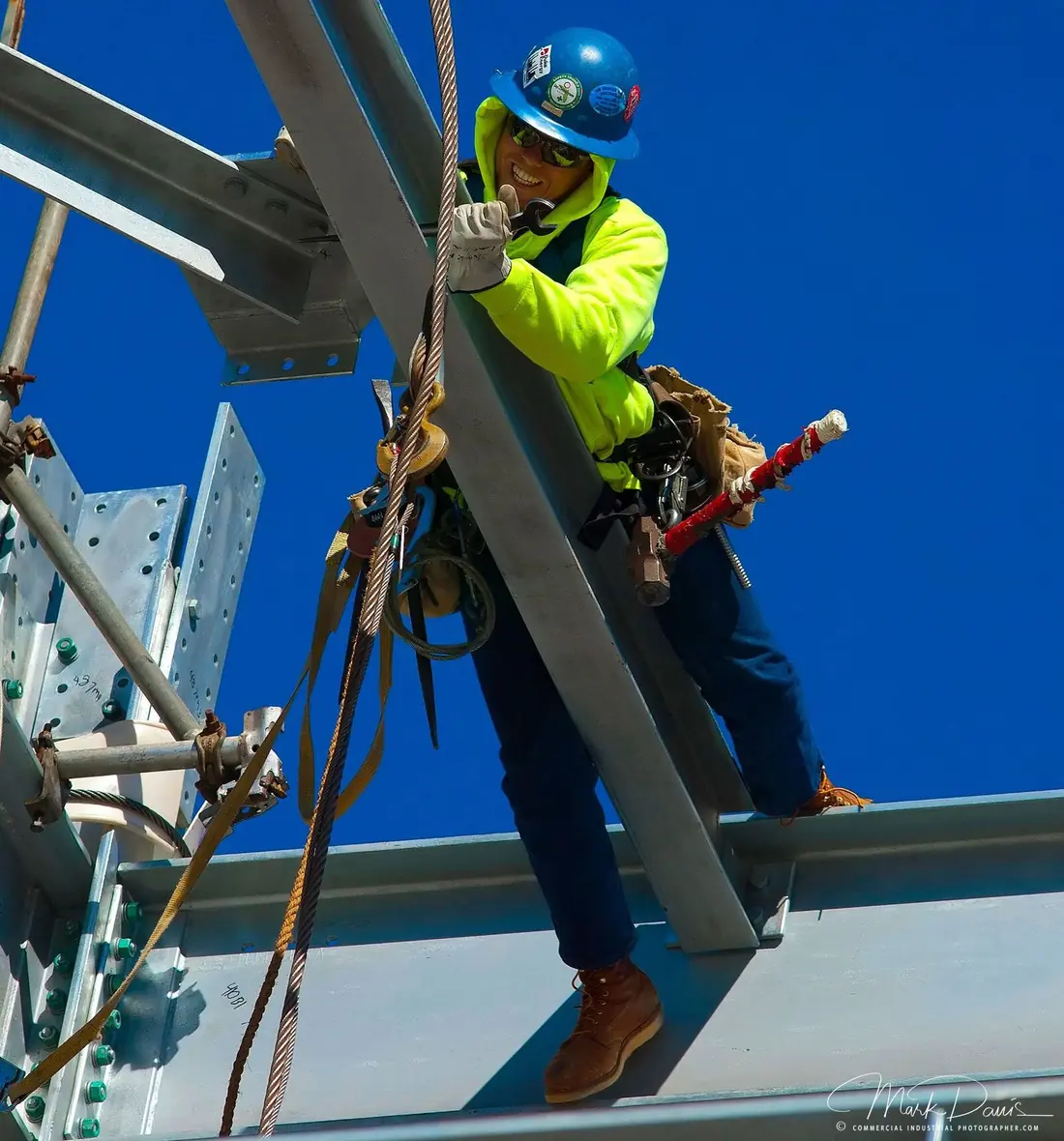
Iron Rigger on Structural Steel
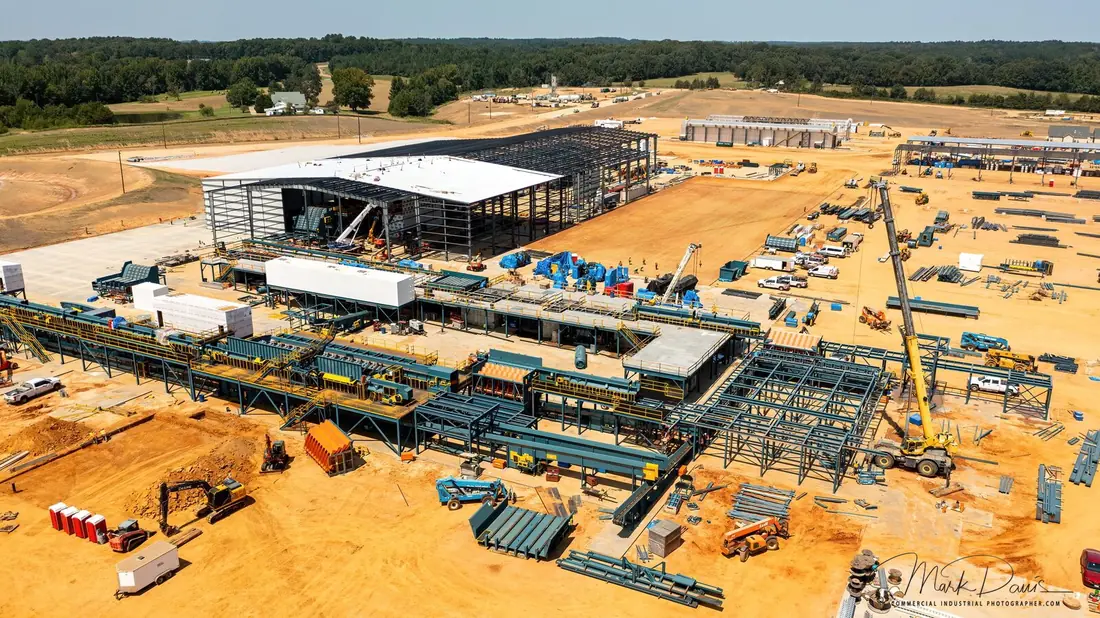
Aerial View, Industrial Construction
5. Rail Operations Photography
Rail photography documents everything from locomotives and rail yards to freight-handling and maintenance operations. These projects often mean coordinating around active train movements and yard schedules, capturing both the scale of rail infrastructure and the people who keep it running. Being on the ground at a rail intermodal yard feels a lot like standing in the pit area of a NASCAR race at Talladega, or working a busy logistics floor with a dozen forklifts running full speed. At the rail yard, having a spotter in radio contact with the crane operator and truck drivers is vital to keeping the project both safe and successful.
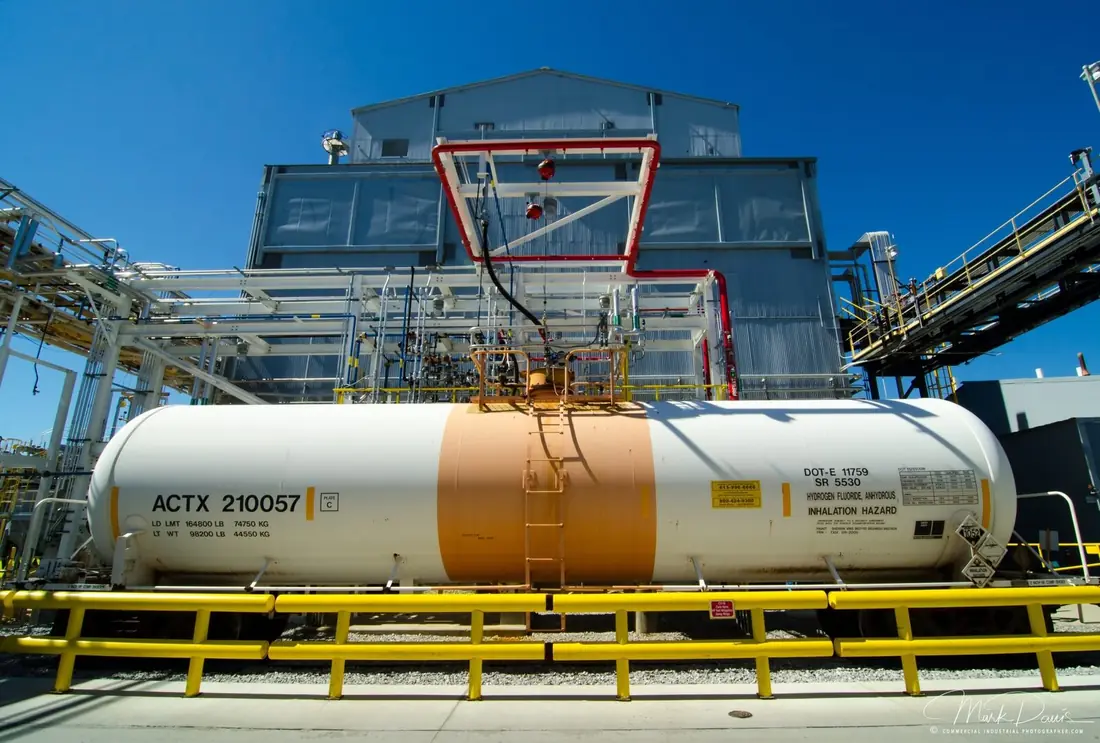
Rail Tanker Car Photography
6. Maritime & Marine Photography
Ports, vessels, and marine terminals present their own logistics — tidal schedules, vessel movement, and secure-area access. I have photographed cargo vessels, marine operations, and terminal activity for clients needing to show their maritime supply chain in action. My TWIC card allows unescorted access to the port itself, though I still like to have an escort who knows their way around for logistics purposes.
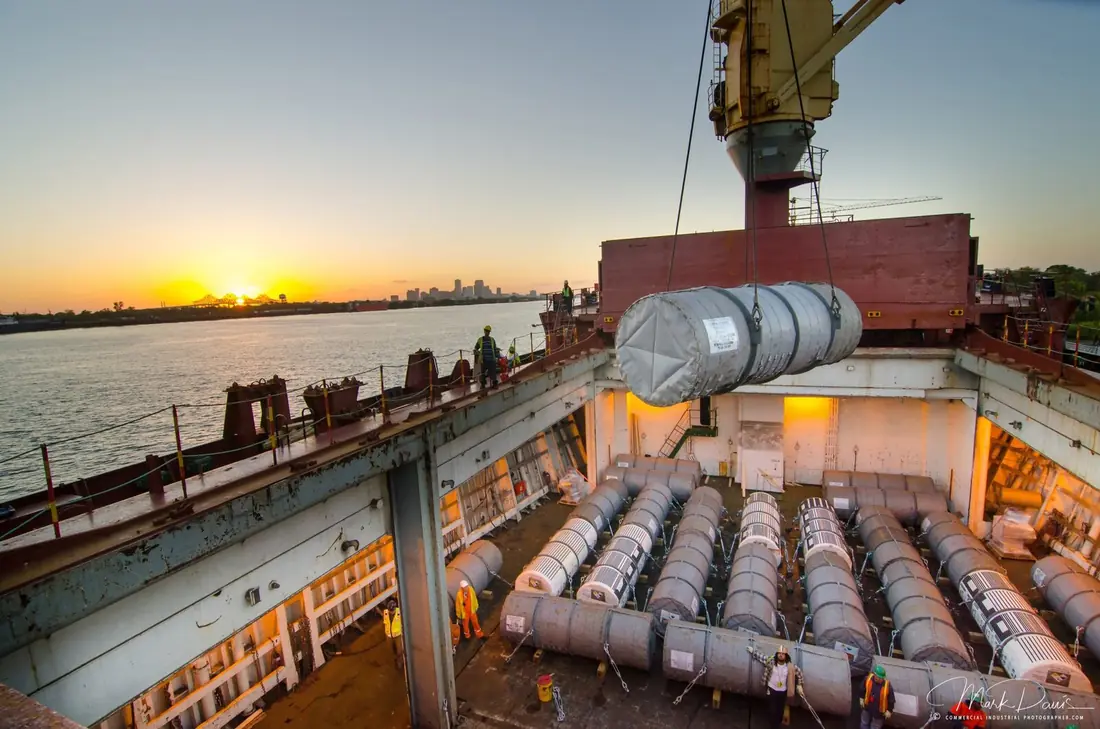
Cargo Loading, Port of New Orleans
7. Underground Mine Photography
Underground mining is one of the most demanding — and least documented — environments in industrial photography. I have photographed coal mining operations in Alabama, limestone mining in Kentucky, zinc mining in east Tennessee, and gold mining in South Carolina. These projects require working safely in confined, low-light, and wet or dusty conditions while following all site safety protocols, often coordinating directly with site safety officers before a camera comes out.
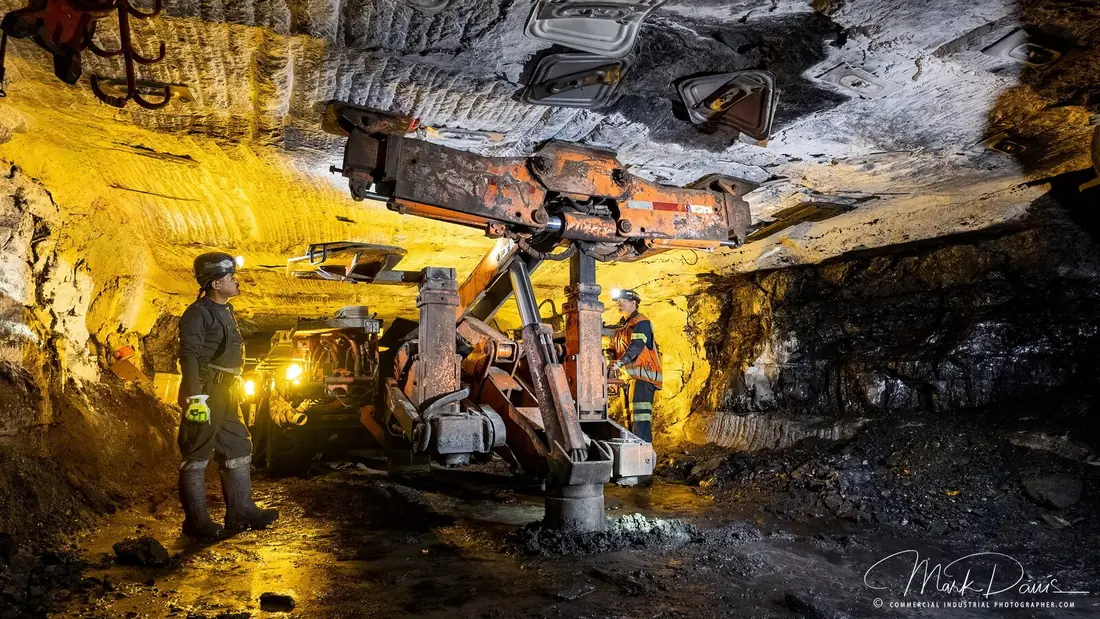
Underground Coal Mine, Alabama
8. Drone & Aerial Photography
A lot of industrial infrastructure simply can't be understood from the ground — a rail yard, a mine site, a port terminal, or a manufacturing campus often only makes sense from above. As an FAA Part 107 certified drone pilot, I fly aerial coverage of large facilities, active job sites, and rail and port operations, capturing the scale and layout that ground-level photography can't show on its own. Many of these locations have restricted or secure airspace considerations, so every flight is planned around site rules and coordinated with the client's safety team before the drone ever leaves the ground. If a drone can't fly at a given site, I'll arrange a fixed-wing charter instead — renting a Cessna 152 or 172 and a pilot from the local or regional airport to get the same aerial perspective. That's how it was done in the pre-drone days, and it's still a reliable option when the airspace calls for it.
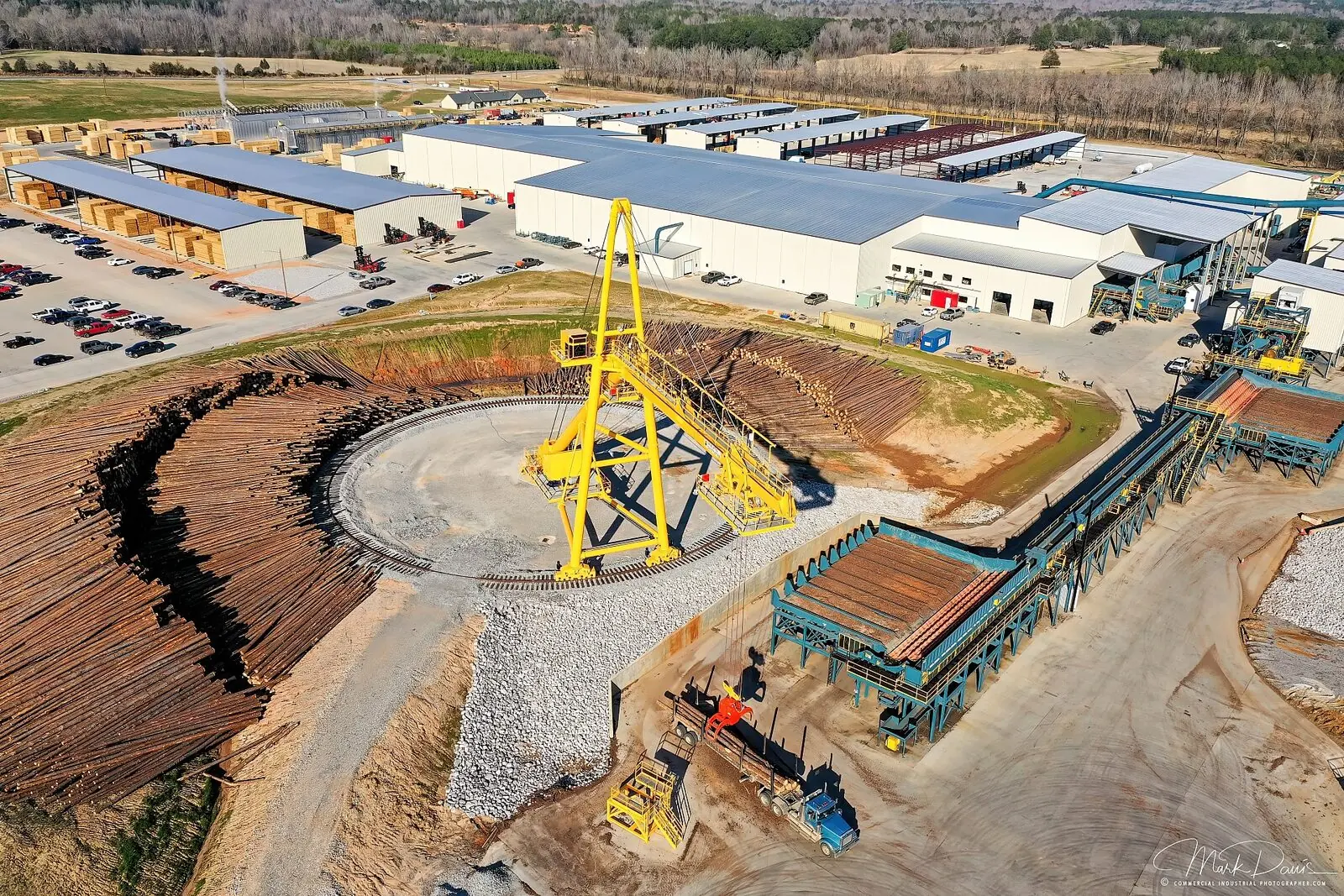
Aerial View, Lumber Mill Facility
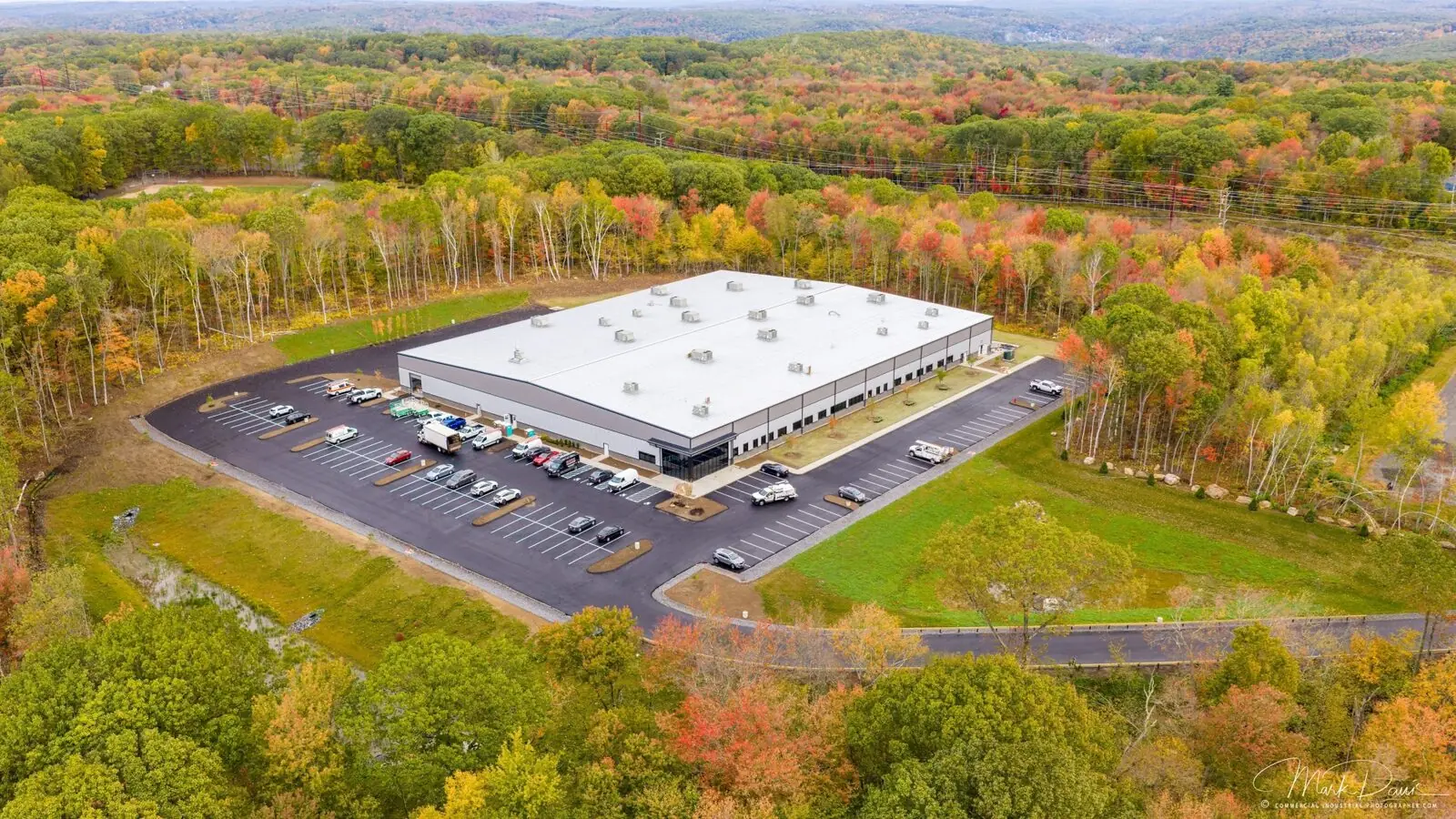
Aerial View, Manufacturing Facility
9. Time-Lapse Photography
Industrial construction and large-scale builds often unfold over months, and a single site visit only tells part of that story. Time-lapse photography documents the entire arc of a project — foundation to completion — from a fixed camera position, giving clients a compressed, visual record they can use for progress reporting, investor updates, or marketing once the project wraps. It's a natural companion to the site photography and drone coverage already happening on a build, and pairs especially well with the aerial and construction work described above.
One recent time-lapse project documented the build of a $130 million automated sawmill. The client requested four time-lapse cameras — one positioned north, south, east, and west — to capture the entire build from dirt to completion. The mill was built in twelve months, and the cameras ran twelve hours a day, capturing an image every ten minutes, six days a week, for the full year — more than 65,000 high-resolution images in total. Each camera was a professional Nikon body, solar-powered, with a 500GB SSD for onboard storage and a 4G modem for remote monitoring, so I could adjust the capture schedule remotely as needed. The result gave the client a polished 4K time-lapse video, along with a full library of high-resolution marketing images spanning the entire construction.
On a much smaller project, an automobile manufacturer needed time-lapse and video footage from inside an enclosed washing system on their assembly line — essentially a custom-built cargo container that washed aluminum transfer cases as three robots lifted, washed, flipped, and rinsed each part before sending it down the line. The client was willing to stop the machine long enough for me to mount two small time-lapse and video cameras inside, using suction cups with a safety wire as backup, since the interior was warm, humid, and coated in cleaning agents. One camera fogged over within 25 seconds; the second, positioned farther from the spray, captured more than a minute of usable footage before the same thing happened. Still, with only three to six seconds of good video required for the packaged video, I captured what the client needed.
Every time-lapse project comes with its own setup challenges — camera placement, power, weatherproofing, remote data access — and getting it right takes as much planning as the shoot itself.
See more on my time-lapse photography service page.
10. People at Work Photography
Some of the most requested images from any industrial shoot aren't of the facility or the machinery — they're of the people running it. Having worked as a photojournalist before moving into commercial and industrial work, I approach these shots differently than a typical staged corporate photo: I'm watching for the real moment — a welder mid-grind, a crane operator checking a signal, a crew working through a task — rather than stopping someone to pose. The result reads as authentic because it is: real employees doing real work, not models standing in for them. This runs through nearly every category above, from the plant floor to the rail yard to the mine, and it's often what separates a client's marketing images from stock photography.
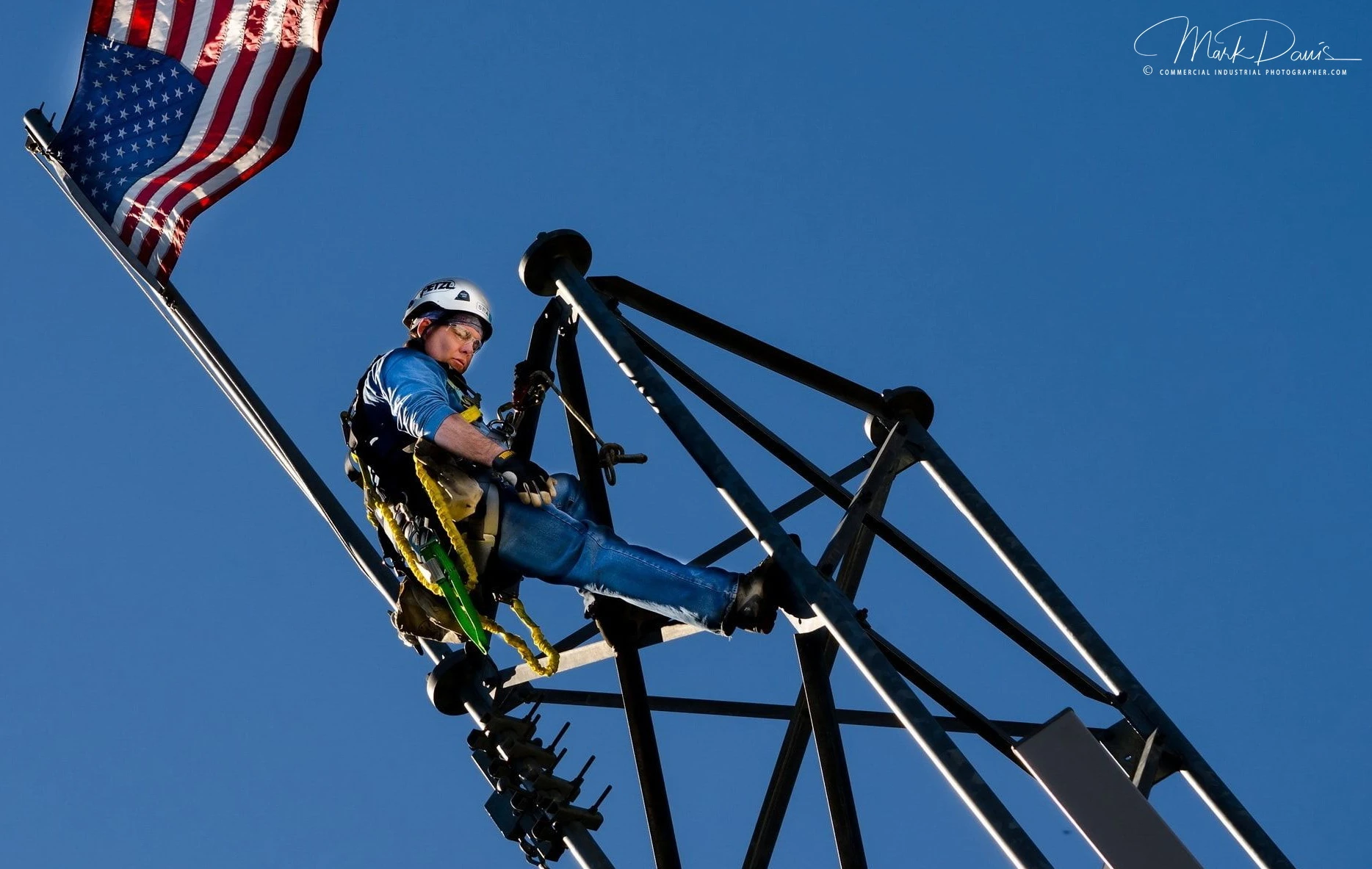
People at Work
Beyond the Job Site: Product & Commercial Photography
Industrial clients need more than site documentation — the products coming off that line often need their own photography and video to sell them. Product photography and broader commercial photography round out the marketing and advertising needs that often accompany a larger industrial project. I travel with a mobile studio lighting kit that lights products and executive portraits the same as if they had come into a studio — including a lighting kit built specifically for air travel. When a seamless paper backdrop is needed, I typically have it drop-shipped directly from B&H Photo in New York to the client site. Clients trust my ability to capture their industry in a timely, professional manner. I work one-on-one with the client from start to finish, and I am accessible after hours whenever a client needs to reach out during any phase of the production process.
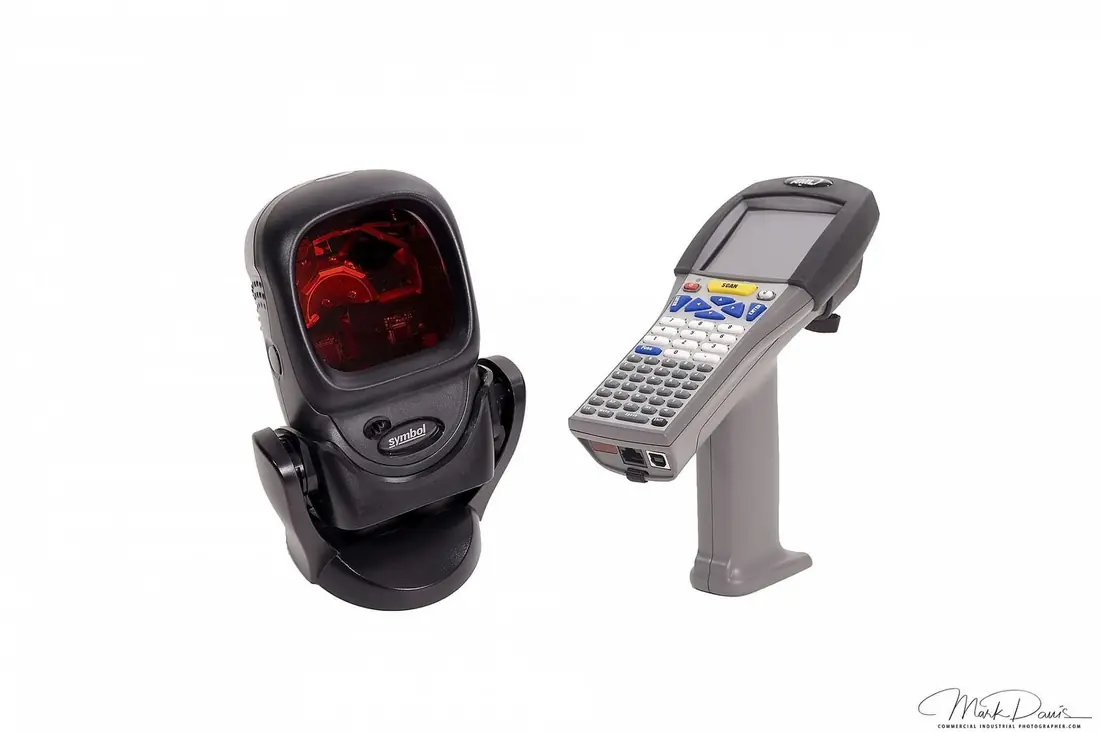
Product Photography on White Seamless
FAA Part 107 certified drone pilot — for aerial perspectives of large facilities, mine sites, rail yards, and ports
TSA-credentialed TWIC cardholder — for access to secure maritime and transportation facilities without delay
Which Type of Industrial Photography Does Your Project Need?
Many projects blend more than one of these categories — a logistics client may also need product imaging, a manufacturing client may need executive headshots and also want drone footage of the facility exterior. If you're not sure where your project fits, reach out and we can talk through it.
I also work with clients in Pharmaceutical, Power Generation, Telecom, and Utilities, with examples of that work in my general portfolios.