FAA Part 107 & TWIC: What to Ask Your Industrial Photographer Before Hiring
If your project involves aerial imagery, a secure facility, or a maritime terminal, the photographer’s credentials matter as much as their portfolio. Two certifications come up often in industrial and commercial photography, and it’s worth knowing what they actually mean before you hire someone.
What Is FAA Part 107 Certification?
FAA Part 107 is the federal certification required to legally fly a drone for commercial purposes in the United States. It’s not the same as owning a drone or knowing how to fly one recreationally — it’s a licensing exam covering airspace regulations, weather, and safe operating procedures. I am a FAA Part 107 certified drone pilot, which means I can legally capture aerial photography and video of your facility, operations, or site — and file for airspace authorization when a project requires it near an airport or in controlled airspace. One thing that sets me apart from many operators in this space: I fly by the book. I only fly with proper FAA authorization, and I know how to secure that authorization — including the sometimes-extensive paperwork it requires — when a project calls for it.
Why It Matters for Your Project
Hiring an uncertified drone operator isn’t just a compliance risk — it’s a liability risk. Uncertified flights near active industrial sites, airports, or controlled airspace can result in fines, and any footage captured could put your project on hold if it’s later flagged as non-compliant. A certified pilot also understands how to plan a flight around your site’s specific hazards — power lines, cranes, active rail, personnel below.
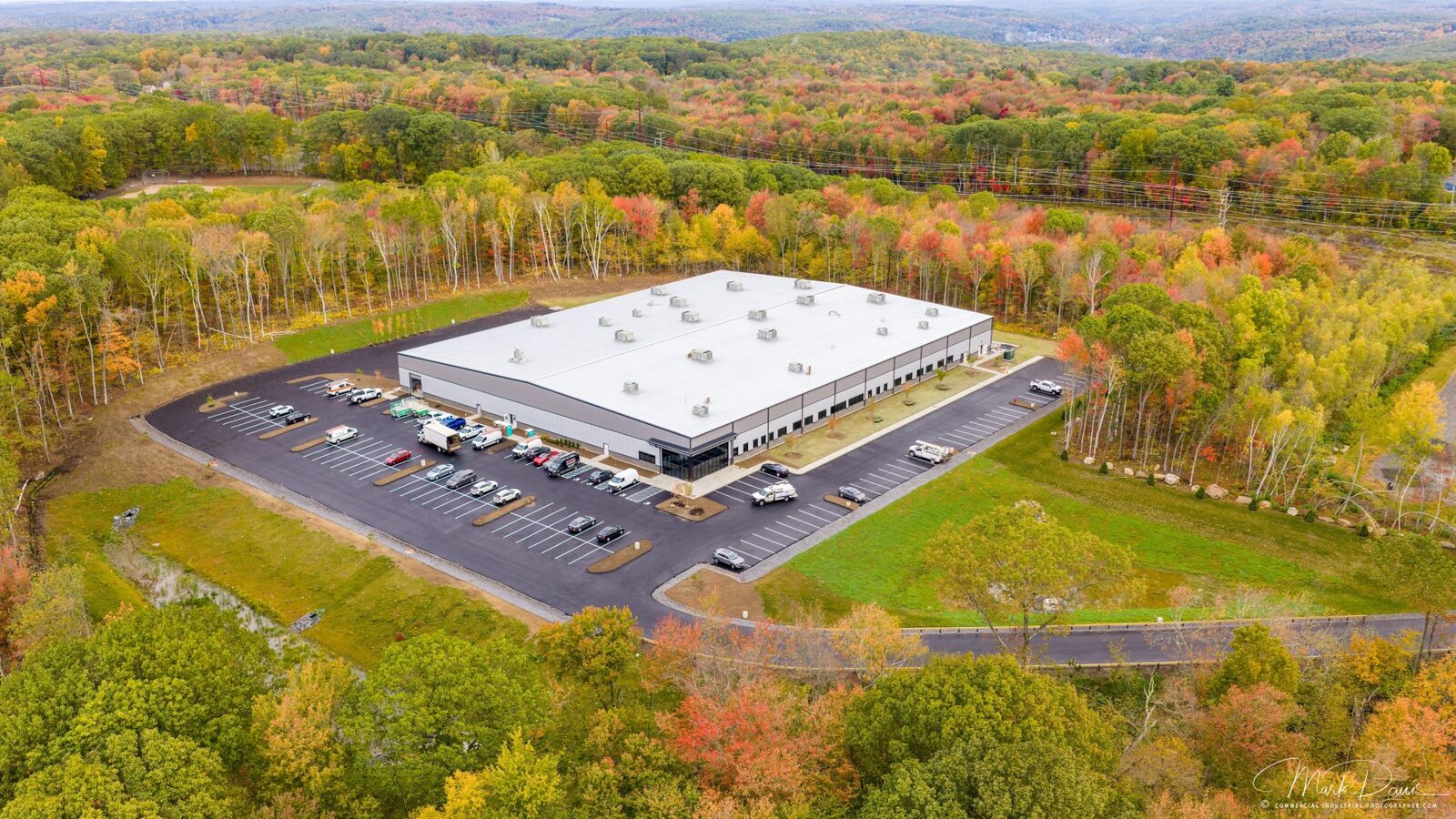
Aerial Photography, Manufacturing Facility
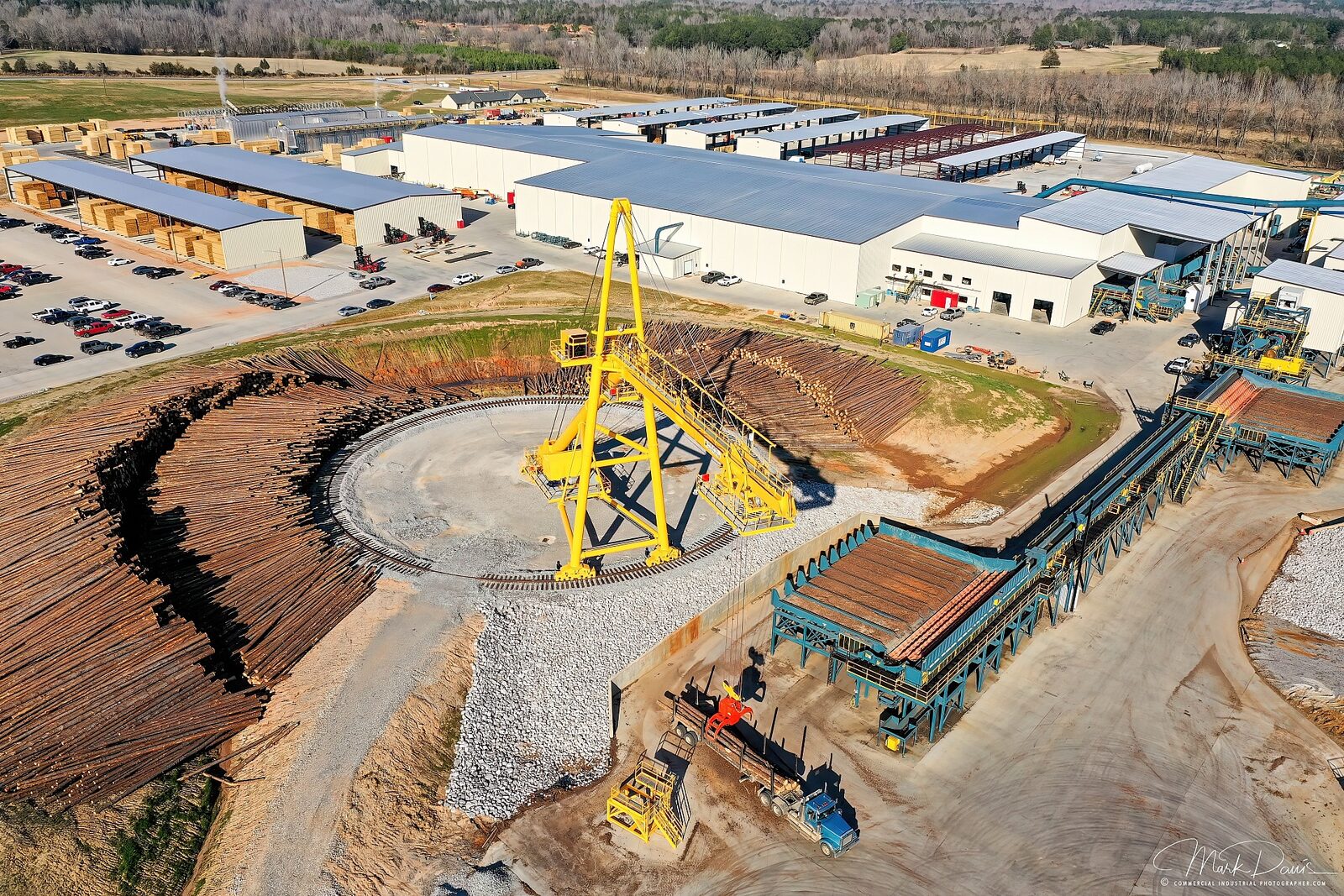
Aerial Photography, Industrial Facility
What Is a TWIC Card?
A TWIC (Transportation Worker Identification Credential) is a TSA-administered background check and ID card required for unescorted access to secure areas of maritime facilities, ports, and other transportation infrastructure regulated by the Coast Guard. I am a TSA-credentialed TWIC cardholder, which allows me to work in secure areas — port terminals, marine facilities, rail yards — without requiring an escort or special accommodation from your team. Basically, the TSA has run a complete background check on me. The card itself carries my fingerprints and background-check information, which secure sites scan when I arrive.
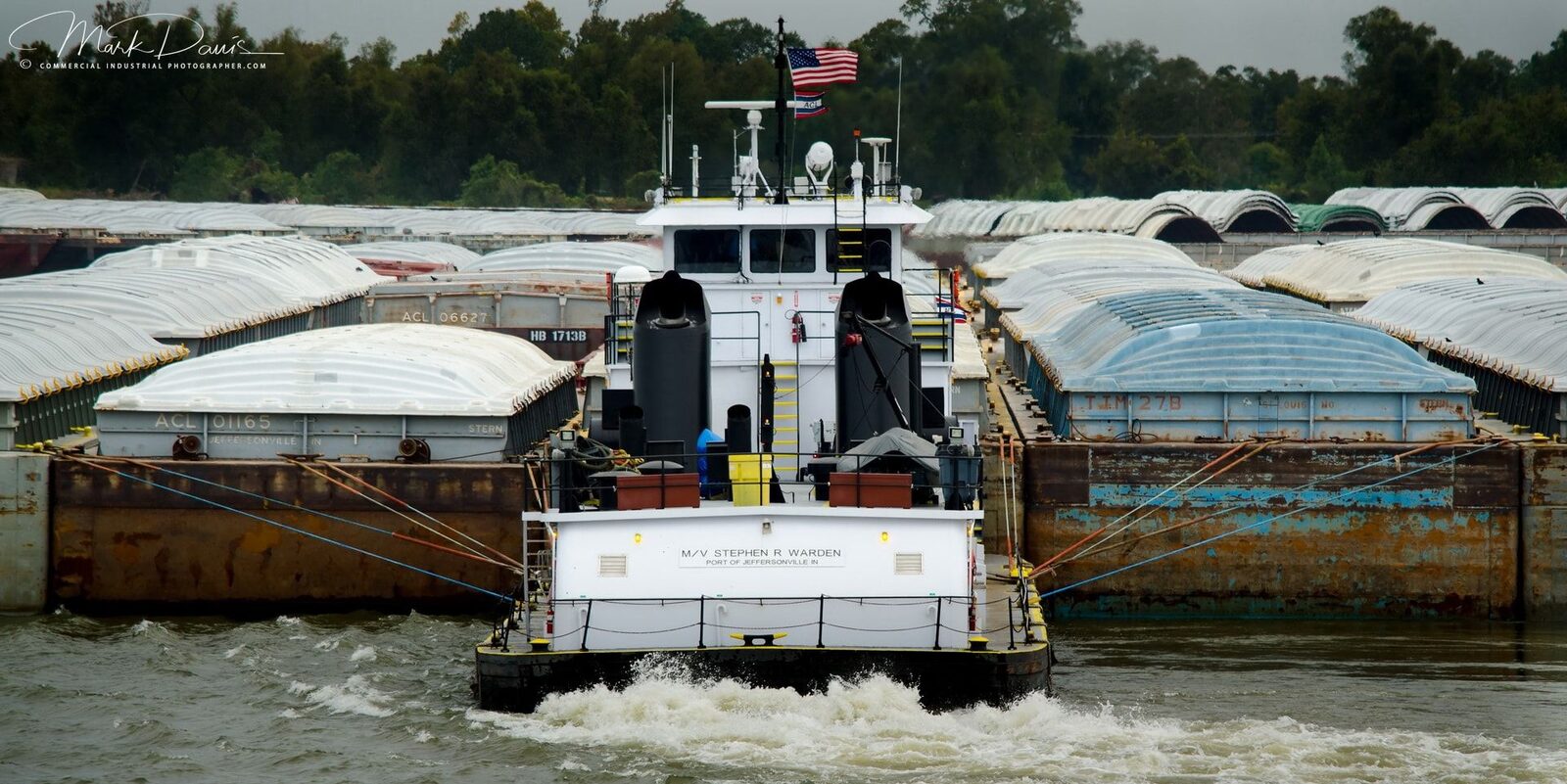
Marine Vessel, Mississippi River
Why It Matters for Your Project
Without a TWIC card, a photographer either can’t access secure areas at all, or requires an escort — adding coordination, cost, and scheduling friction to your project. For clients in maritime, rail, or transportation industries, hiring someone who already holds this credential means one less logistical hurdle before the shoot can happen. That said, on a one-time visit to an unfamiliar industrial or construction site, I’ll typically still request an escort for safety reasons. There are also times when I am effectively a third party on-site — many of my clients hire me to photograph their product after it’s already been installed and is operational at another company’s facility. In those cases, both my client and I are guests who need prior approval to enter, and being able to show that I am TSA background-checked and trained in site safety protocols gives that host facility added assurance, which helps the project move forward smoothly. Either way, knowing I have already passed a TSA background check gives clients added peace of mind.
Questions to Ask Before You Hire
• Are you FAA Part 107 certified, and can you provide documentation?
• Do you hold a TWIC card, or will an escort be required for secure-area access?
• Have you worked on active industrial, manufacturing, or logistics sites before?
I hold both credentials, along with safety training for industrial, logistics, manufacturing, and construction environments — see How A Commercial & Industrial Photography Shoot Works for what that looks like on-site.